Can't find what you want?
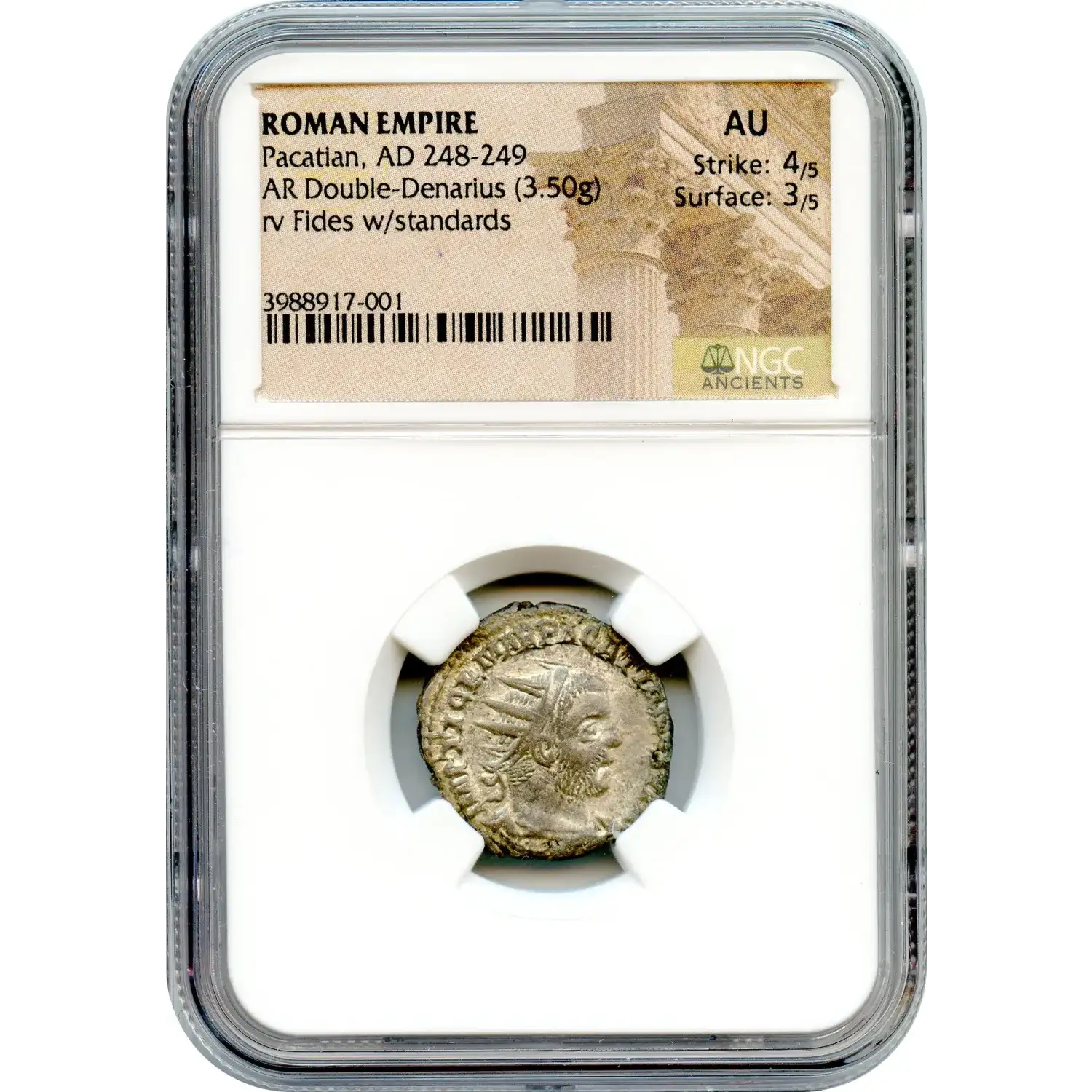
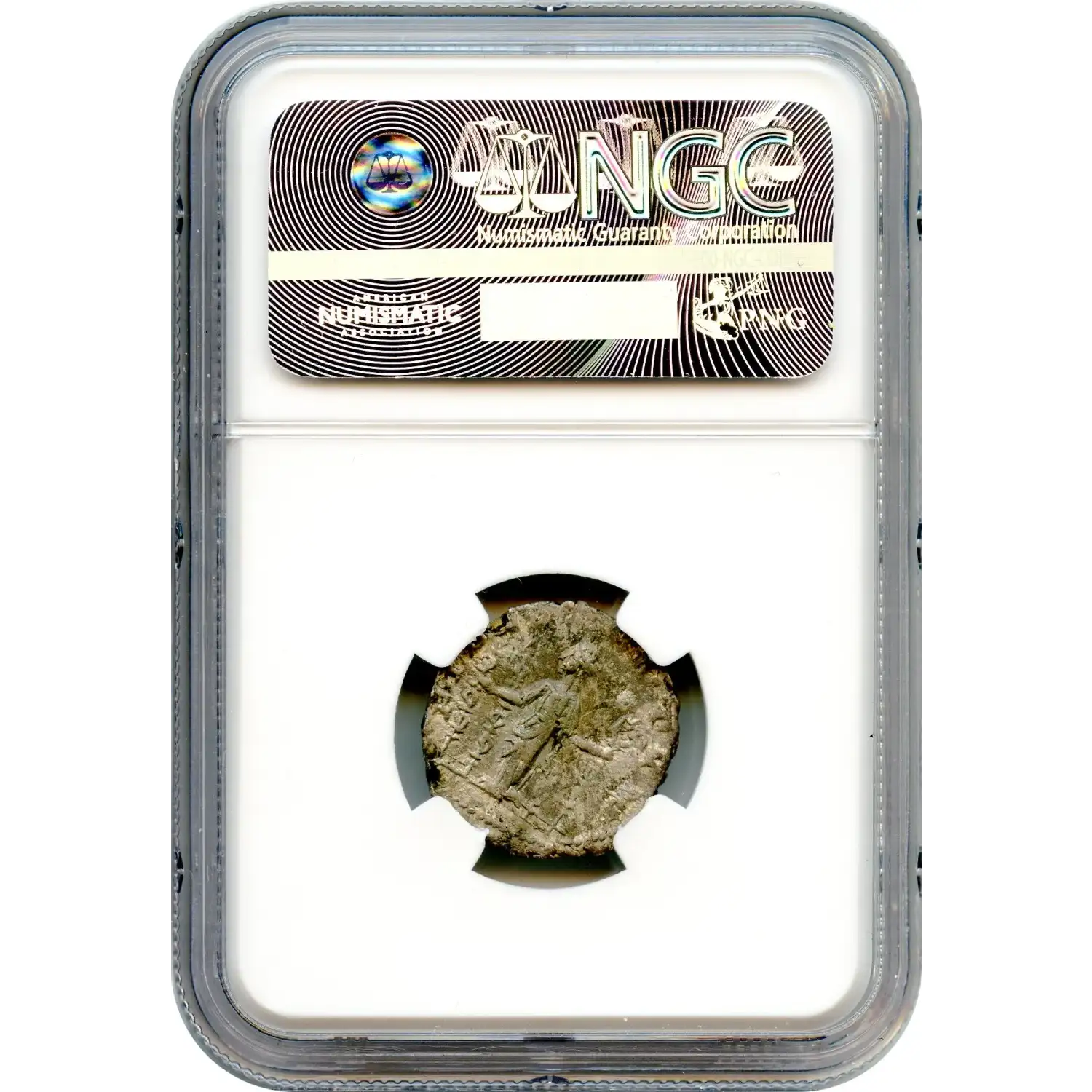
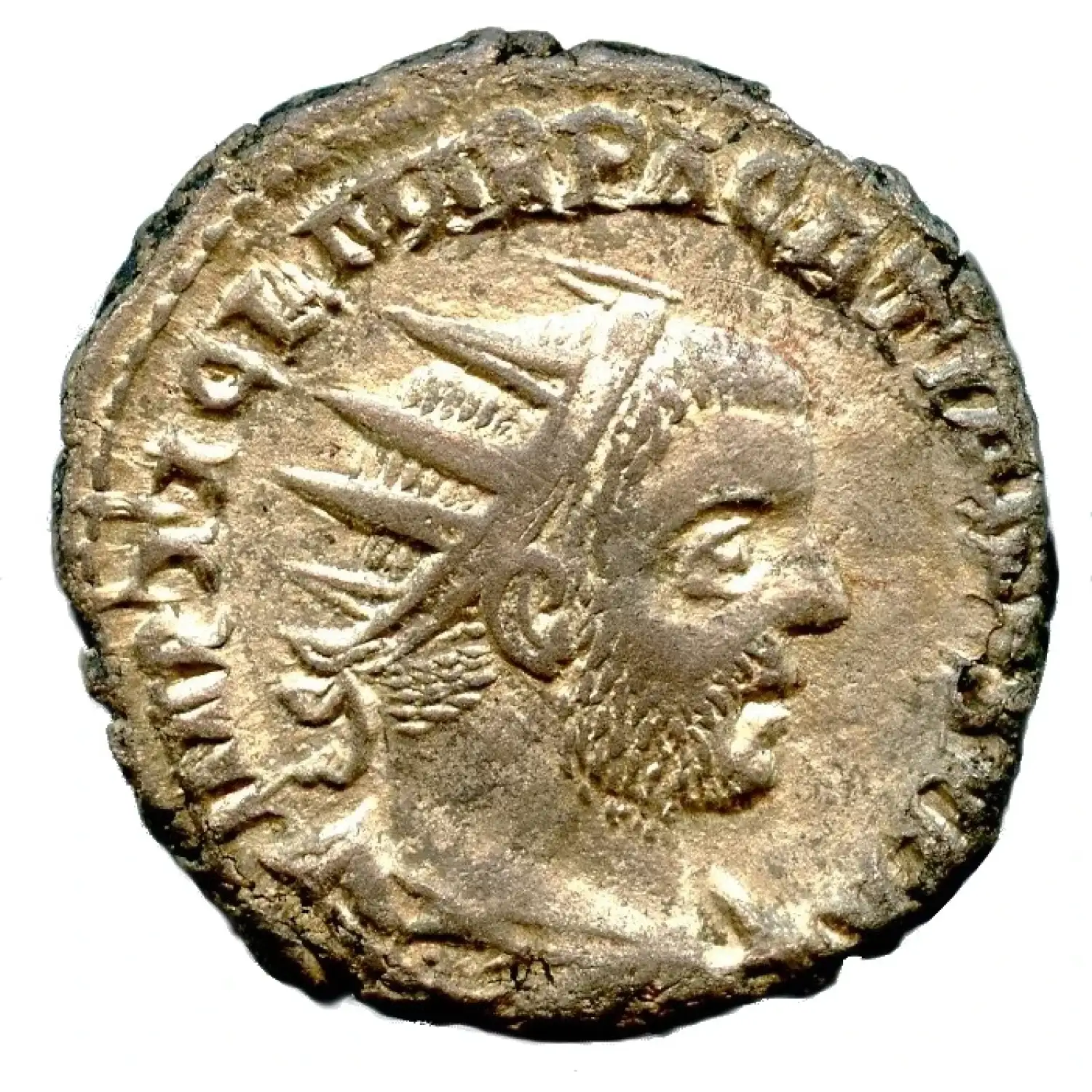
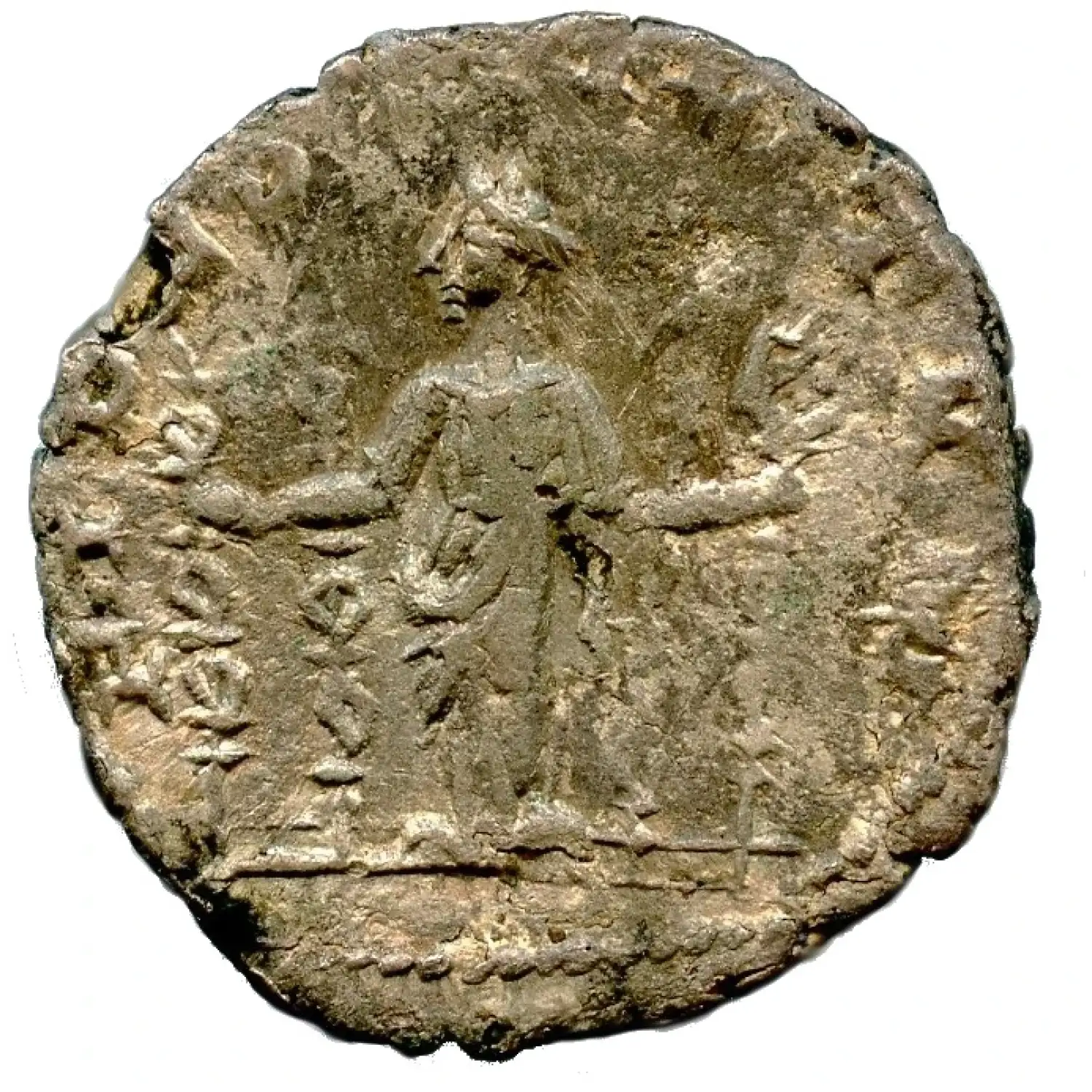
Roman Empire AD 248-249 AR Double-Denarius Pacatian NGC Ancients AU
The only known coinage for Pacatian consists of double-denarii (antoniniani), crudely overstruck on earlier Roman silver issues to fund his troops quickly. Find spots and stylistic parallels strongly attribute these to a mint in Moesia, most likely Viminacium (a key legionary base in Moesia Superior near the Danube). Viminacium, established under Gordian III, had long produced prolific provincial bronze coinage, but none survives for Pacatian—possibly because barbarian invasions and the revolt disrupted operations, or the mint prioritized striking these imperial overstruck issues for the legions.
Related products


 Read more aboutGreece Seleucid Kingdom 175-164 BC AR Tetradrachm Antiochus IV NGC Ancients VF


Customer Reviews
250,000+ Reviews
‘’AU Capital Management, LLC is a leading supplier of rare coins, paper money and precious metals. Committed to authenticity, they strive to serve customers with high-quality goods they'll treasure..’’
 Verified Customer
‘’AU Capital Management, LLC is a leading supplier of rare coins, paper money and precious metals. Committed to authenticity, they strive to serve customers with high-quality goods they'll treasure..’’
Verified Customer
‘’AU Capital Management, LLC is a leading supplier of rare coins, paper money and precious metals. Committed to authenticity, they strive to serve customers with high-quality goods they'll treasure..’’
Verified Customer
‘’AU Capital Management, LLC is a leading supplier of rare coins, paper money and precious metals. Committed to authenticity, they strive to serve customers with high-quality goods they'll treasure..’’
Verified Customer
‘’AU Capital Management, LLC is a leading supplier of rare coins, paper money and precious metals. Committed to authenticity, they strive to serve customers with high-quality goods they'll treasure..’’
Verified Customer