- 630-280-7300
- Free shipping over $3,500

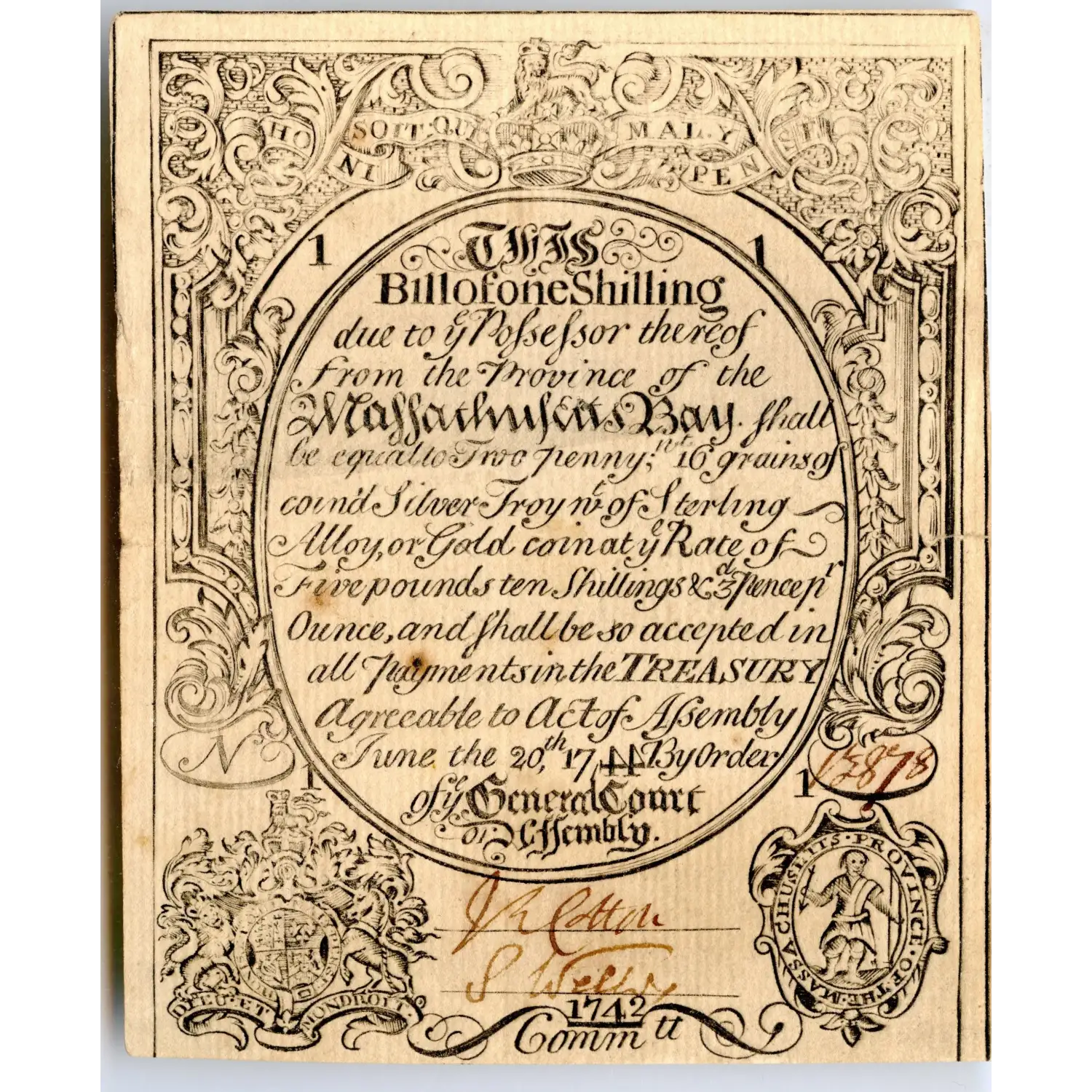
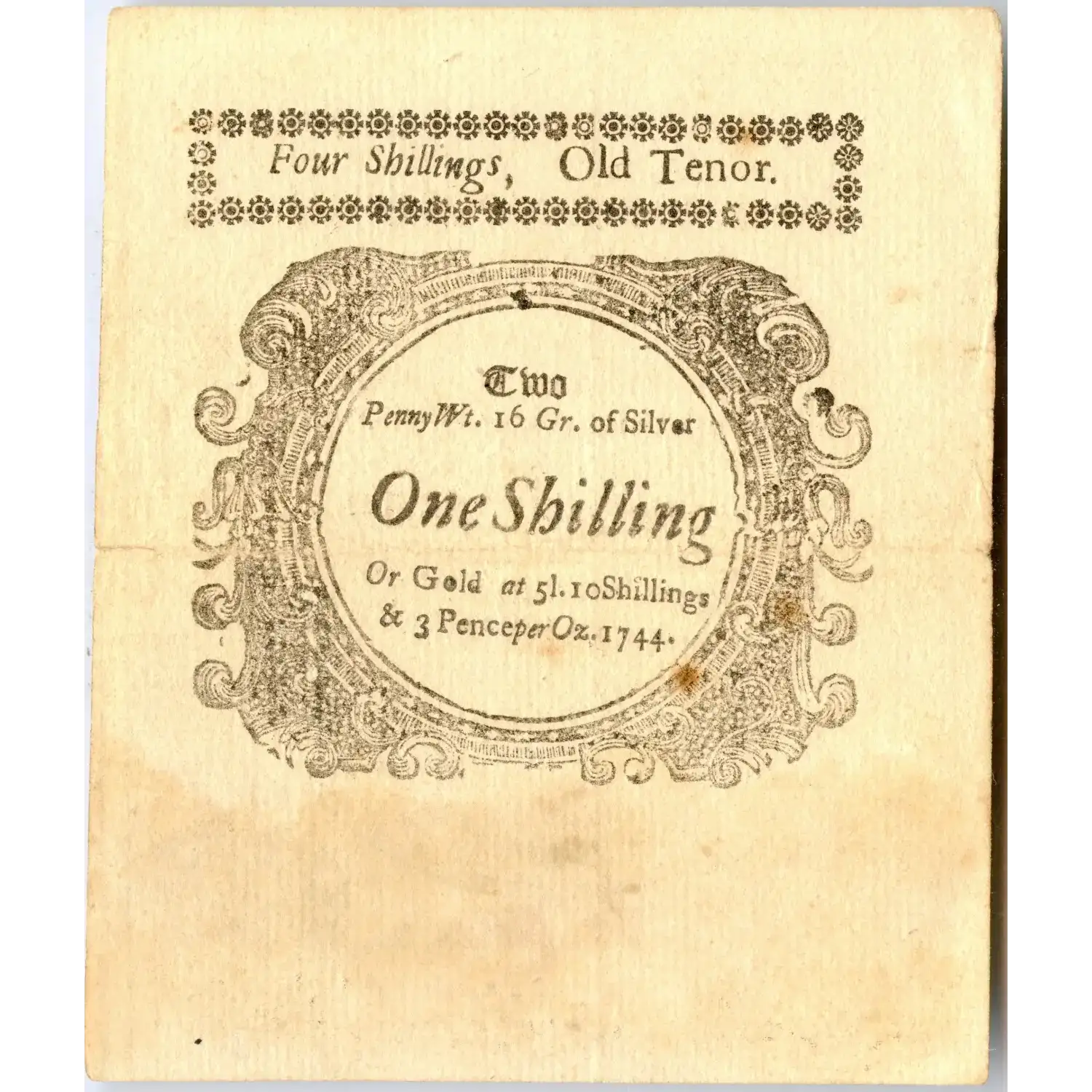
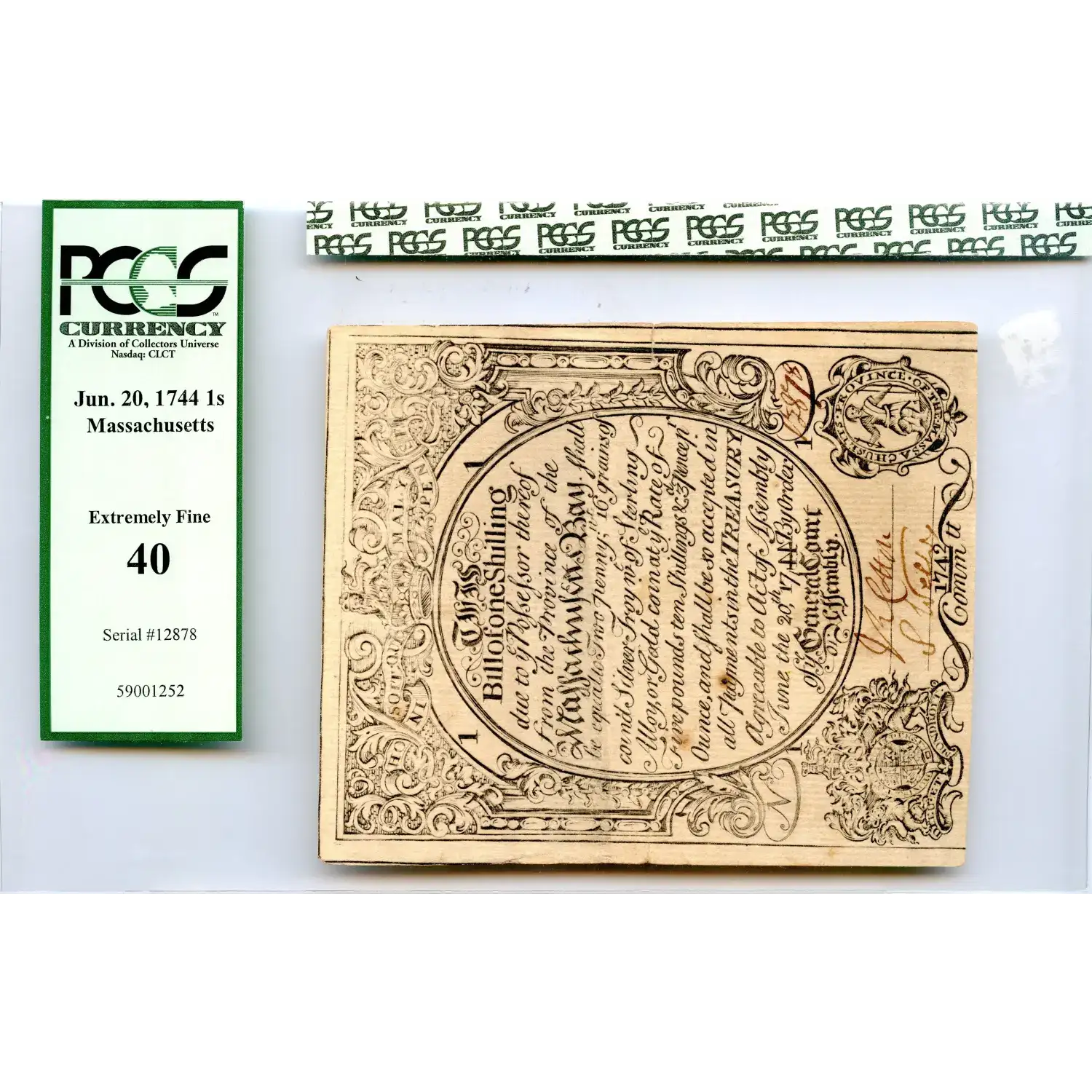
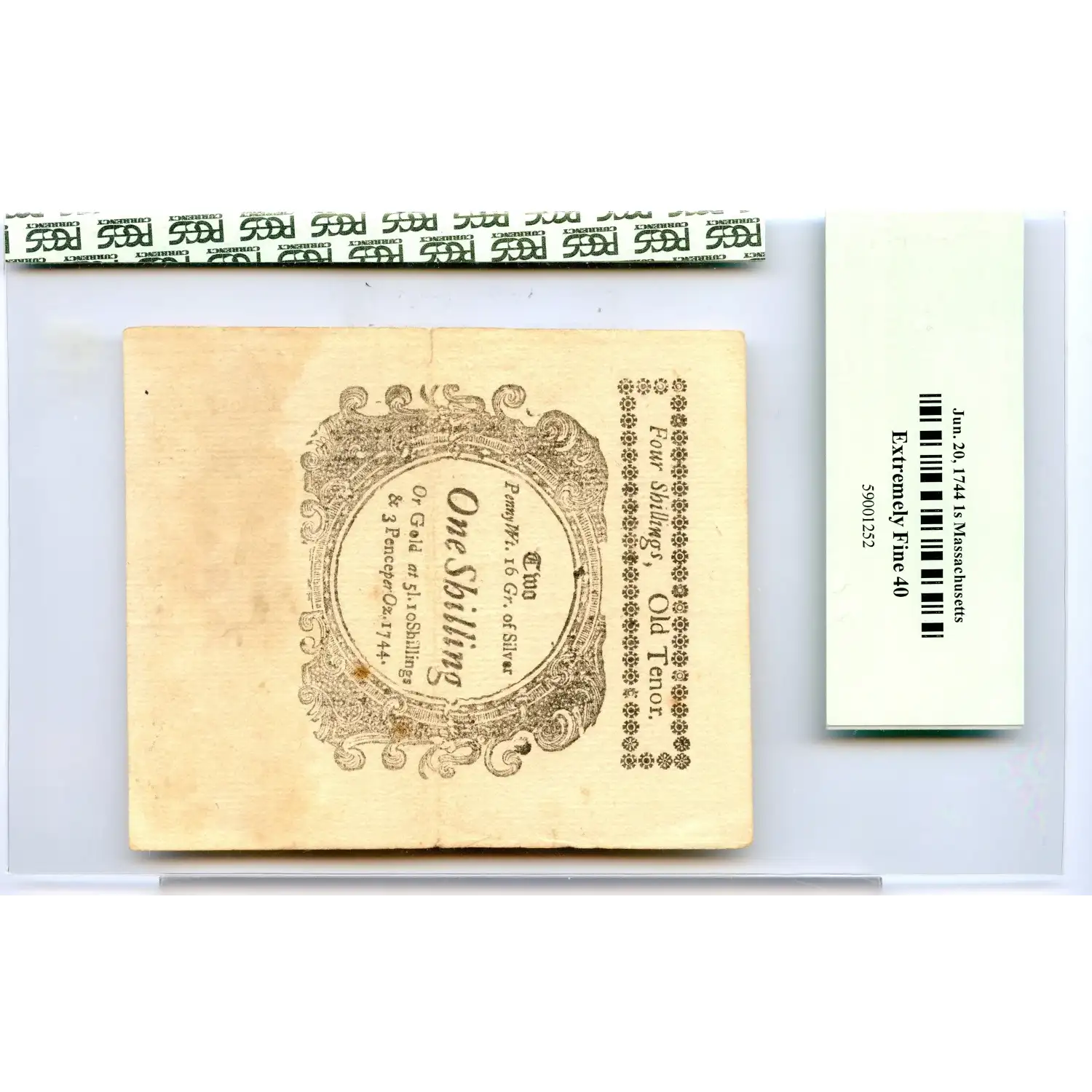
From 1690 to the mid-18th century, colonial currency—paper notes from the Thirteen Colonies and Vermont—became vital for trade and wartime funding, filling gaps left by scarce coins. Massachusetts led the way in 1690 with "bills of credit" to pay troops invading Canada: short runs on thin paper, mostly redeemed, proved effective despite counterfeiting and distrust, sparking similar issuances in New England, New York, New Jersey, and Pennsylvania—often against British wishes. Southern notes were rarer and more distinct, especially pre-1750.
By 1738, Massachusetts hit a currency crunch—its bills retired, Rhode Island's flood causing chaos—prompting private merchant schemes modeled on Rhode Island to boost commerce and influence. Reviving John Colman's 1720 Land Bank idea, one group issued 1740 Manufactory notes backed by land, redeemable in silver after 20 years (or local goods meantime) to grow industries. Rivals, 107 Boston merchants, launched a Silver Bank in 1739 with silver-backed notes (120,000 pounds emitted over 15 years), run by a subscribed directorate but excluding rival currencies. Denied official sanction amid political splits and public warnings, both issued secretly; Silver Bank shut down fast, but Land Bank feuds lingered, inspiring the 1750 Currency Act and calls for financial freedom from Britain. Franklin's 1740s press later ramped up larger, durable emissions in Pennsylvania, Delaware, and New Jersey through the 1760s, funding the Seven Years' War and echoing future Revolutionary designs.
Most surviving notes (1770–1785) emerged during the Revolution (1775–1781), shifting from plain designs to patriotic motifs like "Don’t Tread on Me," Liberty Cap vignettes, and Paul Revere's engraved "Sword in Hand" for Massachusetts. State arms replaced British symbols; Georgia featured vivid Justice seals. Continental Congress notes inflated wildly, prompting high denominations (e.g., Virginia's $2,000 in 1781) and Spanish dollar valuations alongside pounds-shillings-pence. Post-1781 "bridge" notes transitioned states to federal styles, joined by municipal and early bank emissions like the Bank of North America's 1790 pence bills until U.S. coins arrived in 1793. These artifacts, crafted by patriots like Franklin and Revere, embody revolutionary finance, influencing Civil War Greenbacks and modern currency—affordable relics of independence. Ex. John J. Ford, lot 537 May 11, 2004 where it hammered at $9,000. THe Finest Known specimen.
250,000+ Reviews
‘’AU Capital Management, LLC is a leading supplier of rare coins, paper money and precious metals. Committed to authenticity, they strive to serve customers with high-quality goods they'll treasure..’’
 Verified Customer
‘’AU Capital Management, LLC is a leading supplier of rare coins, paper money and precious metals. Committed to authenticity, they strive to serve customers with high-quality goods they'll treasure..’’
Verified Customer
‘’AU Capital Management, LLC is a leading supplier of rare coins, paper money and precious metals. Committed to authenticity, they strive to serve customers with high-quality goods they'll treasure..’’
Verified Customer
‘’AU Capital Management, LLC is a leading supplier of rare coins, paper money and precious metals. Committed to authenticity, they strive to serve customers with high-quality goods they'll treasure..’’
Verified Customer
‘’AU Capital Management, LLC is a leading supplier of rare coins, paper money and precious metals. Committed to authenticity, they strive to serve customers with high-quality goods they'll treasure..’’
Verified Customer